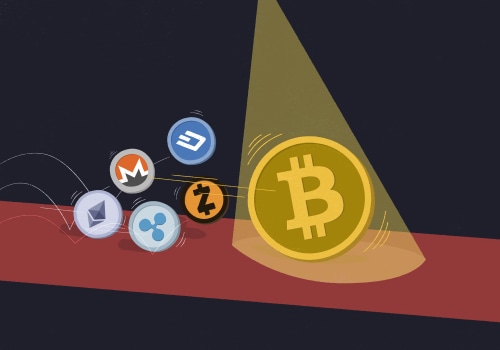
In the evolving landscape of finance, bitcoin loans have emerged as a revolutionary option for borrowers seeking funds without the burden of traditional collateral. Unlike conventional loans that require assets such as property or vehicles to secure the borrowed amount, bitcoin loans leverage the value of cryptocurrency as a form of collateral. This innovative approach not only broadens access to capital but also aligns with the growing trend of decentralized finance (DeFi), where individuals can engage in lending and borrowing through p2p platforms without intermediaries. Unsecured loans, on the other hand, represent a distinct category of borrowing that does not necessitate any form of collateral. These loans are primarily based on the borrower's creditworthiness and ability to repay, making them an attractive option for those who may not have significant assets to pledge. have emerged as a revolutionary option for borrowers seeking funds without the burden of traditional collateral. Unlike conventional loans that require assets such as property or vehicles to secure the borrowed amount, bitcoin loans leverage the value of cryptocurrency as a form of collateral. This innovative approach not only broadens access to capital but also aligns with the growing trend of decentralized finance (DeFi), where individuals can engage in lending and borrowing through p2p platforms without intermediaries. Unsecured loans, on the other hand, represent a distinct category of borrowing that does not necessitate any form of collateral. These loans are primarily based on the borrower's creditworthiness and ability to repay, making them an attractive option for those who may not have significant assets to pledge.
Personal loans, student loans, and credit cards are common examples of unsecured lending. The absence of collateral means that lenders take on more risk, which often results in higher interest rates compared to secured loans. The intersection of bitcoin loans and unsecured lending presents a unique opportunity for borrowers. With the rise of cryptocurrencies, individuals can now access funds through bitcoin-backed loans while avoiding the complexities associated with traditional secured lending. This flexibility allows borrowers to utilize their digital assets without having to liquidate them, providing a strategic advantage in managing their financial needs. As we delve deeper into the world of bitcoin loans and unsecured lending, it is essential to understand how these financial products operate, their benefits, and potential risks.
By exploring these aspects, borrowers can make informed decisions that align with their financial goals while navigating this dynamic market.
What is a Bitcoin Loan?
A bitcoin loan is a type of loan that allows borrowers to use their cryptocurrency holdings, specifically Bitcoin, as collateral to secure a loan. This innovative financial product has emerged as a popular option for individuals looking to access liquidity without having to sell their digital assets. By leveraging the value of their Bitcoin, borrowers can obtain funds while still retaining ownership of their cryptocurrency, which can be particularly advantageous given the volatile nature of the crypto market. In essence, a bitcoin loan functions similarly to traditional secured loans, but instead of using physical assets like real estate or vehicles as collateral, it utilizes digital assets. When a borrower applies for a bitcoin loan, they typically deposit a certain amount of Bitcoin into a secure wallet managed by the lender.The lender then assesses the value of the Bitcoin and offers a loan amount based on a percentage of that value, often referred to as the loan-to-value (LTV) ratio. One of the key benefits of bitcoin lending is that it provides borrowers with quick access to cash without the need for extensive credit checks or lengthy approval processes. Since the loan is secured by collateral, lenders are often more willing to approve loans even for individuals with less-than-perfect credit histories. This opens up opportunities for many who may have been excluded from traditional lending systems. Moreover, bitcoin loans can be particularly appealing in times of market volatility. Borrowers can take advantage of price fluctuations by obtaining funds while holding onto their Bitcoin investments.
This strategy allows them to potentially benefit from future price increases without liquidating their assets at unfavorable rates. Additionally, many bitcoin lending platforms offer flexible repayment terms and competitive interest rates compared to traditional loans. Borrowers can choose from various repayment options, including interest-only payments or full amortization schedules, depending on their financial situation and preferences. In summary, a bitcoin loan represents an innovative approach to borrowing that leverages the growing popularity and acceptance of cryptocurrencies. By allowing individuals to use their Bitcoin as collateral, these loans provide an accessible and efficient way to obtain funds while maintaining ownership of valuable digital assets.
Understanding Unsecured Loans
Unsecured loans are financial products that do not require the borrower to provide any collateral, such as property or savings, to secure the loan. Instead, these loans are based solely on the borrower's creditworthiness and promise to repay.This characteristic makes unsecured loans an attractive option for many individuals who may not have significant assets to pledge as security. There are several types of unsecured loans available, each serving different financial needs:
- Personal Loans: These are versatile loans that can be used for various purposes, including debt consolidation, home improvements, or unexpected expenses. Personal loans typically have fixed interest rates and repayment terms.
- Student Loans: Designed to help students cover the costs of higher education, these loans often come with lower interest rates and flexible repayment options. Federal student loans are a common type of unsecured loan.
- Credit Cards: While not a traditional loan, credit cards allow users to borrow money up to a certain limit without collateral. They offer revolving credit, meaning borrowers can use and repay funds repeatedly.
-
Medical Loans: These loans help cover medical expenses that may not be fully covered by insurance.
They often come with flexible terms and can be used for various healthcare needs.
- No Collateral Required: Borrowers do not need to risk their assets, making these loans accessible to a wider audience.
- Quick Approval Process: Since there is no collateral to evaluate, lenders can often process unsecured loan applications more quickly than secured loans.
- Flexible Use of Funds: Borrowers can use the funds from unsecured loans for a variety of purposes, providing financial flexibility.
- Potential for Lower Interest Rates: For borrowers with good credit scores, unsecured loans may offer competitive interest rates compared to other forms of borrowing.
Types of Loans That Do Not Require Collateral
When exploring the landscape of loans that do not require collateral, it’s essential to understand the various types available. These loans, often referred to as unsecured loans , are primarily based on the borrower’s creditworthiness rather than any physical asset. Below are some common types of unsecured loans:-
Personal Loans: Personal loans are versatile financial products that can be used for a variety of purposes, such as consolidating debt, financing a large purchase, or covering unexpected expenses.
Borrowers typically need a good credit score to qualify, and interest rates can vary significantly based on credit history.
- Student Loans: Designed specifically for educational expenses, student loans can be either federal or private. Federal student loans often come with lower interest rates and more flexible repayment options compared to private loans. Importantly, these loans do not require collateral, making them accessible to students who may not have significant assets.
- Credit Cards: While not a traditional loan, credit cards function similarly by allowing users to borrow money up to a certain limit without collateral. They offer flexibility in spending and repayment but can carry high-interest rates if balances are not paid in full each month.
-
Payday Loans: Although often criticized for their high fees and interest rates, payday loans are another form of unsecured borrowing.
They provide quick access to cash but should be approached with caution due to the potential for debt cycles.
How Bitcoin Loans Differ from Traditional Unsecured Loans
When comparing bitcoin loans to traditional unsecured loans, several key differences emerge that can significantly impact a borrower’s experience and financial outcomes.Understanding these distinctions is crucial for anyone considering their borrowing options.
Interest Rates
One of the most notable differences between bitcoin loans and traditional unsecured loans is the interest rate structure. Traditional unsecured loans often come with higher interest rates, particularly for borrowers with lower credit scores. These rates can range from 6% to 36%, depending on the lender and the borrower's creditworthiness. In contrast, bitcoin loans typically offer more competitive interest rates, especially in a favorable market. Since these loans are secured by cryptocurrency, lenders may perceive less risk, which can translate into lower rates for borrowers.However, it’s essential to note that the volatility of bitcoin can lead to fluctuating rates, which may affect the overall cost of borrowing.
Approval Processes
The approval process for bitcoin loans is often more streamlined than that of traditional unsecured loans. Traditional lenders usually require extensive documentation, including proof of income, credit history, and sometimes even collateral in the form of assets. This can lead to lengthy approval times. On the other hand, many platforms offering bitcoin loans utilize automated systems that can approve loans within minutes or hours. Borrowers typically need to provide only basic information and proof of their cryptocurrency holdings.This efficiency makes bitcoin loans an attractive option for those needing quick access to funds.
Risk Factors
While both types of loans carry risks, they manifest differently in each case. Traditional unsecured loans primarily hinge on the borrower’s ability to repay based on their income and credit history. Failure to repay can lead to damaged credit scores and potential legal action. In contrast, bitcoin loans introduce unique risks associated with cryptocurrency volatility. If the value of bitcoin drops significantly after securing a loan, borrowers may face margin calls or be required to provide additional collateral to maintain their loan terms.This risk factor necessitates careful consideration before opting for a bitcoin loan. In summary, while both bitcoin loans and traditional unsecured loans serve as viable financing options, they differ significantly in terms of interest rates, approval processes, and associated risks. Borrowers should weigh these factors carefully to determine which option aligns best with their financial needs and risk tolerance.
Eligibility Criteria for Bitcoin Loans and Unsecured Loans
When considering a bitcoin loan or any type of unsecured loan, understanding the eligibility criteria is crucial for potential borrowers. Each lender may have specific requirements, but there are common factors that most will evaluate.1.Credit Score
- Your credit score is one of the primary factors lenders assess when determining your eligibility for an unsecured loan. A higher credit score typically indicates a lower risk for the lender, which can lead to better loan terms.
- For bitcoin loans, while some lenders may be more flexible, having a good credit score can still enhance your chances of approval and may result in lower interest rates.
2.Income Verification
- Lenders often require proof of income to ensure that you have the means to repay the loan.
This can include pay stubs, tax returns, or bank statements.
- For bitcoin loans, some lenders may accept alternative forms of income verification, especially if you are self-employed or earn income through cryptocurrency investments.
3.Debt-to-Income Ratio
- Your debt-to-income (DTI) ratio is another critical metric that lenders consider. This ratio compares your monthly debt payments to your gross monthly income.
- A lower DTI ratio suggests that you have a manageable level of debt relative to your income, making you a more attractive candidate for both unsecured loans and bitcoin loans.
4.Employment History
- Lenders may also look at your employment history to gauge stability. A consistent work history can bolster your application.
- If you are applying for a bitcoin loan, demonstrating a stable source of income from cryptocurrency trading or other ventures can be beneficial.
5.Loan Purpose and Amount
- The purpose of the loan and the amount requested can influence eligibility. Lenders want to ensure that the loan aligns with their risk assessment criteria.
- For instance, if you are seeking a bitcoin loan for investment purposes, lenders may scrutinize your plan more closely than if it were for personal expenses.
Understanding these factors can help you prepare a stronger application and improve your chances of securing the funds you need.
Interest Rates and Fees Associated with Bitcoin Loans
When considering a bitcoin loan, understanding the associated interest rates and fees is crucial for borrowers. Unlike traditional unsecured loans, which often have fixed interest rates based on creditworthiness, bitcoin loans can exhibit more variability due to market conditions and the inherent volatility of cryptocurrency.Interest Rates for Bitcoin Loans
- The interest rates for bitcoin loans can range significantly, typically between 5% to 15% annually. However, these rates can fluctuate based on the lender's policies and the current market value of bitcoin.
- Many lenders assess the risk associated with lending against bitcoin, which can lead to higher interest rates compared to traditional unsecured loans. This is primarily due to the potential for rapid price changes in the cryptocurrency market.
- Some platforms may offer lower rates for borrowers who provide additional information or demonstrate a strong repayment history, while others may charge higher rates for new borrowers or those with less favorable credit profiles.
Fees Associated with Bitcoin Loans
- In addition to interest rates, borrowers should be aware of various fees that may apply.
Common fees include:
- Origination Fees: These are charged by lenders for processing the loan application and can range from 1% to 5% of the loan amount.
- Late Payment Fees: If a borrower fails to make a payment on time, they may incur additional charges, which can vary by lender.
- Prepayment Penalties: Some lenders impose fees if borrowers pay off their loans early, which can discourage early repayment.
- It’s essential for borrowers to read the fine print and understand all potential costs before committing to a bitcoin loan.
Cost of Borrowing Bitcoin
- The overall cost of borrowing bitcoin includes both the interest paid and any applicable fees. This total cost can be significantly higher than that of traditional unsecured loans due to the combination of fluctuating interest rates and various fees.
- Borrowers should calculate their total repayment amount, factoring in both interest and fees, to ensure they are making an informed decision about their loan.
Risks Involved in Taking Out a Bitcoin Loan or Unsecured Loan
When considering a bitcoin loan or any type of unsecured loan, it is crucial to understand the inherent risks involved. Both options come with their own set of challenges that can impact borrowers significantly.Market Volatility of Bitcoin
One of the primary risks associated with bitcoin loans is the extreme volatility of cryptocurrency markets.The value of bitcoin can fluctuate dramatically within short periods, which can affect the amount you owe if your loan is denominated in bitcoin. For instance, if you take out a loan when bitcoin is valued at $50,000 and its price drops to $30,000, the collateral value may not cover your loan obligations, leading to potential losses.
Consequences of Defaulting on Payments
Defaulting on a bitcoin loan can have severe repercussions. Unlike traditional loans where collateral might be seized, in the case of unsecured loans, lenders may resort to aggressive collection practices. This could include legal action or damage to your credit score, making it harder to secure future financing.Additionally, if you default on a bitcoin loan, you may lose your cryptocurrency collateral, which could be worth significantly more than the original loan amount.
Higher Interest Rates
Unsecured loans typically come with higher interest rates compared to secured loans. This is because lenders face greater risk when they do not have collateral to back the loan. If you are considering an unsecured loan or a bitcoin loan, be prepared for potentially steep interest rates that can increase your overall repayment amount.Lack of Regulation
The cryptocurrency market is less regulated than traditional financial markets. This lack of oversight can lead to predatory lending practices and scams targeting unsuspecting borrowers.It’s essential to conduct thorough research and choose reputable lenders when considering a bitcoin loan.
Potential for Over-Borrowing
The ease of obtaining unsecured loans can sometimes lead borrowers to take on more debt than they can handle. Without collateral requirements, it may be tempting to borrow larger amounts, which can result in financial strain if not managed properly. In summary, while bitcoin loans and unsecured loans offer flexibility and accessibility, they also come with significant risks that should not be overlooked. Understanding these risks is vital for making informed financial decisions.Frequently Asked Questions About Bitcoin Loans and Unsecured Lending
As the popularity of bitcoin loans continues to rise, many potential borrowers have questions about how these loans work and how they compare to traditional unsecured lending options. Below are some frequently asked questions that can help clarify common misconceptions and provide valuable insights for those considering a bitcoin loan.What is a Bitcoin Loan?
A bitcoin loan is a type of secured loan where the borrower uses their bitcoin holdings as collateral.Unlike traditional loans that may require physical assets, bitcoin loans allow individuals to leverage their cryptocurrency without selling it. This can be particularly advantageous in a volatile market, as borrowers can maintain ownership of their assets while accessing funds.
How Do Bitcoin Loans Work?
When you apply for a bitcoin loan, the lender will assess the value of your bitcoin collateral. Typically, you can borrow a percentage of the collateral's value, often ranging from 50% to 80%. The lender holds your bitcoin in escrow until the loan is repaid.If you fail to repay the loan, the lender has the right to liquidate your bitcoin to recover their funds.
Are Bitcoin Loans Unsecured?
No, bitcoin loans are not considered unsecured loans because they require collateral in the form of bitcoin. However, they differ from traditional secured loans in that they do not require physical assets like real estate or vehicles. Instead, they rely on the value of cryptocurrency as security.What Are the Benefits of Bitcoin Loans?
- Access to Cash: Bitcoin loans provide quick access to cash without needing to sell your cryptocurrency.
- Maintain Ownership: Borrowers can retain ownership of their bitcoin while still obtaining funds.
- Flexible Terms: Many lenders offer flexible repayment terms tailored to individual needs.
How Can I Get a Bitcoin Loan?
To obtain a bitcoin loan, follow these steps:- Select a Lender: Research and choose a reputable lender that offers bitcoin loans.
- Create an Account: Sign up and create an account with the chosen lender.
- Submit Your Bitcoin: Transfer your bitcoin to the lender's escrow account as collateral.
- Receive Funds: Once your collateral is verified, you will receive the loan amount in cash or another cryptocurrency.
Conclusion: Making Informed Decisions About Bitcoin Loans and Unsecured Options
In conclusion, navigating the world of bitcoin loans and unsecured lending options requires careful consideration and a thorough understanding of your financial situation.Throughout this article, we have explored the unique characteristics of bitcoin loans, highlighting their appeal as a modern alternative to traditional financing methods. Unlike conventional loans that often require collateral, bitcoin loans allow borrowers to leverage their cryptocurrency holdings without the need to liquidate them. One of the primary advantages of bitcoin loans is their accessibility. Borrowers can obtain funds quickly, often with minimal documentation and faster approval times compared to traditional lenders. This can be particularly beneficial for individuals who need immediate cash flow or wish to capitalize on investment opportunities without selling their assets. However, it is essential to weigh these benefits against potential risks.
The volatility of cryptocurrency markets can lead to fluctuating loan values and repayment amounts, which may complicate your financial planning. Additionally, while bitcoin loans do not require collateral in the traditional sense, they may involve other forms of risk management, such as margin calls or liquidation of assets if the value of the collateral falls below a certain threshold. When considering unsecured loans, such as personal loans or credit cards, borrowers should also evaluate their creditworthiness and repayment capabilities. Unsecured loans typically come with higher interest rates due to the increased risk for lenders. Therefore, it is crucial to assess your credit score and financial health before committing to any loan type. Ultimately, whether you choose a bitcoin loan or an unsecured option, making informed decisions is key.
Take the time to research various lenders, compare interest rates, and understand the terms and conditions associated with each loan type. By doing so, you can ensure that you select a financing solution that aligns with your financial goals and risk tolerance. In summary, both bitcoin loans and unsecured lending options offer unique benefits and challenges. By carefully evaluating your needs and conducting thorough research, you can make a choice that supports your financial well-being in both the short and long term.