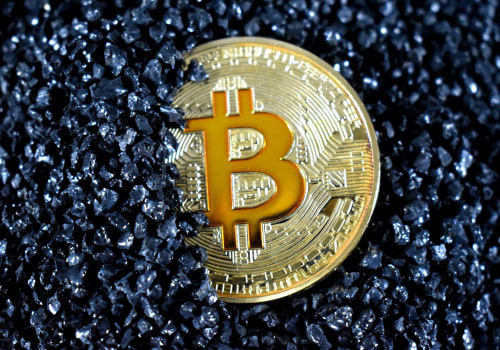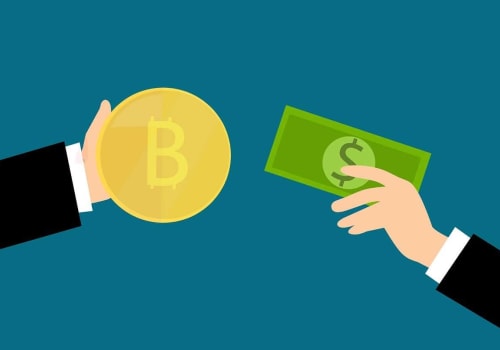
Bitcoin, often referred to as the first cryptocurrency, has revolutionized the way we think about money and investment. Launched in 2009 by an anonymous entity known as Satoshi Nakamoto, Bitcoin operates on a decentralized network using blockchain technology. This innovative approach allows for secure, peer-to-peer transactions without the need for intermediaries like banks. As a digital currency, Bitcoin has gained significant traction, becoming a household name and a focal point in discussions about the future of finance. The investment potential of Bitcoin is a topic of considerable debate among financial experts and everyday investors alike.
Many view it as a store of value , akin to digital gold, while others see it as a speculative asset with the potential for high returns. The volatility of Bitcoin's price can be both a blessing and a curse; while it offers opportunities for substantial gains, it also poses risks that can lead to significant losses. Understanding these dynamics is crucial for anyone considering investing in Bitcoin. Investing in Bitcoin requires more than just purchasing coins; it involves understanding market trends, technological advancements, and regulatory developments that can impact its value. As more institutional investors enter the space and mainstream adoption increases, Bitcoin's legitimacy as an investment option continues to grow.
However, potential investors must remain vigilant and informed about the inherent risks associated with this digital asset. In this comprehensive guide, we will explore the various facets of investing in Bitcoin, including its historical performance, market trends, and strategies for maximizing returns while minimizing risks. Whether you are a seasoned investor or new to the world of cryptocurrencies, understanding Bitcoin's investment potential is essential for making informed decisions in this rapidly evolving landscape.
The Basics of Bitcoin Loans
Bitcoin loans represent a unique financial instrument that allows investors to leverage their cryptocurrency holdings. By using Bitcoin as collateral, borrowers can access funds without needing to sell their assets. This mechanism not only provides liquidity but also enables investors to maintain their exposure to Bitcoin's potential price appreciation.How Bitcoin Loans Work
In essence, a Bitcoin loan operates similarly to traditional secured loans.
Here’s a step-by-step breakdown of the process:
- Collateralization: The borrower deposits a specified amount of Bitcoin into a secure wallet managed by the lending platform. This Bitcoin acts as collateral for the loan.
- Loan Approval: Once the collateral is verified, the lender assesses the loan amount based on the value of the Bitcoin provided. Typically, lenders offer a percentage of the collateral's value, often ranging from 30% to 70%.
- Disbursement: After approval, the borrower receives the loan amount in fiat currency or stablecoins, depending on the platform's offerings.
- Repayment: The borrower must repay the loan within an agreed timeframe, along with any interest accrued. Upon successful repayment, the collateral is released back to the borrower.
Benefits of Bitcoin Loans
Investing in Bitcoin loans can offer several advantages:
- Liquidity Access: Investors can access cash without liquidating their Bitcoin holdings, allowing them to benefit from potential price increases while still having funds available for other investments or expenses.
- Flexible Terms: Many lending platforms provide flexible repayment terms and competitive interest rates, making it easier for borrowers to manage their finances.
- No Credit Checks: Since loans are secured by collateral, lenders typically do not require credit checks, making it accessible for individuals who may have poor credit histories.
- Diverse Use Cases: Borrowers can use funds from Bitcoin loans for various purposes, including investing in other assets, funding personal projects, or covering unexpected expenses.
As this financial tool continues to evolve, it presents exciting opportunities for those looking to maximize their investment strategies while managing risk effectively.
Risks Associated with Investing in Bitcoin
Investing in Bitcoin can be an enticing opportunity, but it is crucial to recognize the inherent risks associated with this digital currency. Understanding these risks is essential for making informed investment decisions and safeguarding your financial future. One of the most significant risks of investing in Bitcoin is its notorious volatility. The price of Bitcoin can fluctuate dramatically within short periods, often influenced by market sentiment, regulatory news, and macroeconomic factors. For instance, it is not uncommon for Bitcoin to experience price swings of 10% or more in a single day.Such volatility can lead to substantial gains, but it can also result in significant losses for investors who are not prepared for these rapid changes. Moreover, the security concerns surrounding Bitcoin investments cannot be overlooked. While the blockchain technology that underpins Bitcoin is generally secure, investors face risks related to hacking and fraud. Cryptocurrency exchanges have been targeted by cybercriminals, leading to the loss of millions of dollars worth of Bitcoin. Additionally, if an investor loses access to their digital wallet or forgets their private keys, they may permanently lose their investment. Another risk factor is the regulatory environment surrounding cryptocurrencies.
Governments around the world are still grappling with how to regulate digital currencies like Bitcoin. Changes in regulations can have immediate and profound effects on the market. For example, a country may decide to ban cryptocurrency trading or impose strict regulations that could hinder market growth. Such actions can lead to panic selling and further exacerbate price volatility. Lastly, the lack of consumer protections in the cryptocurrency space poses a risk for investors.
Unlike traditional financial markets, where there are established safeguards and regulatory bodies to protect investors, the cryptocurrency market operates with minimal oversight. This absence of regulation means that investors may have limited recourse in cases of fraud or disputes. In conclusion, while investing in Bitcoin presents opportunities for profit, it is accompanied by significant risks that potential investors must carefully consider. By understanding the volatility of Bitcoin, being aware of security concerns, and staying informed about regulatory developments, investors can make more educated decisions and better navigate the complexities of this evolving market.
Long-Term vs. Short-Term Investment Strategies
When considering an investment in Bitcoin, one of the most critical decisions you'll face is whether to adopt a long-term or short-term investment strategy.Each approach has its unique advantages and challenges, and understanding these can help you align your investment choices with your financial goals.
Long-Term Bitcoin Investment
A long-term investment strategy typically involves holding onto your Bitcoin for an extended period, often years, with the expectation that its value will appreciate significantly over time. This approach is often likened to buying and holding stocks in a company that you believe will grow in value.- Potential for Growth: Historically, Bitcoin has shown substantial growth since its inception. Investors who bought Bitcoin in its early days have seen remarkable returns, leading many to view it as a hedge against inflation and a store of value akin to digital gold.
- Less Stress: Long-term investors are less affected by daily price fluctuations. This strategy allows you to avoid the emotional rollercoaster that often accompanies short-term trading.
- Tax Benefits: In many jurisdictions, long-term capital gains tax rates are lower than short-term rates.
Holding your Bitcoin for over a year may result in tax savings when you eventually sell.
Short-Term Bitcoin Trading
On the other hand, short-term trading involves buying and selling Bitcoin over shorter time frames—sometimes within minutes or hours. This strategy is often favored by those looking to capitalize on market volatility.- Quick Profits: Short-term traders aim to make profits from small price movements. If executed correctly, this can lead to significant gains in a relatively short period.
- Market Timing: Successful short-term trading requires a keen understanding of market trends and timing. Traders often use technical analysis and charting tools to make informed decisions.
- Increased Risk: While the potential for profit is high, so is the risk.
The volatility of Bitcoin can lead to rapid losses if the market moves against your position.
How to Securely Invest in Bitcoin
Investing in Bitcoin can be a rewarding venture, but it also comes with significant risks, particularly concerning security. To ensure that your investment is protected, it is crucial to understand the various wallet options available and implement best practices for safeguarding your assets.Understanding Bitcoin Wallets
A Bitcoin wallet is a digital tool that allows you to store, send, and receive Bitcoin. There are several types of wallets, each with its own level of security and convenience:- Hot Wallets: These are connected to the internet and are generally more convenient for frequent transactions.
Examples include mobile wallets and web wallets. While they offer ease of access, they are more vulnerable to hacking.
- Cold Wallets: These are offline storage solutions, such as hardware wallets or paper wallets. Cold wallets provide enhanced security as they are not connected to the internet, making them less susceptible to cyber threats.
- Desktop Wallets: Installed on your computer, these wallets offer a balance between security and convenience. However, if your computer is compromised, so is your wallet.
Choosing the Right Storage Option
When deciding how to store your Bitcoin, consider the following factors:- Investment Amount: If you are investing a significant amount in Bitcoin, a cold wallet may be the best option for long-term storage.
- Frequency of Transactions: If you plan to trade frequently, a hot wallet may be more suitable for quick access.
- Security Features: Look for wallets that offer two-factor authentication (2FA), multi-signature support, and backup options.
Best Practices for Securing Your Investment
In addition to choosing the right wallet, implementing best practices can further enhance the security of your Bitcoin investment:- Enable Two-Factor Authentication: Always enable 2FA on your wallet and exchange accounts to add an extra layer of security.
- Keep Software Updated: Regularly update your wallet software and any related applications to protect against vulnerabilities.
- Create Backups: Regularly back up your wallet data and store it in a secure location.
This ensures you can recover your funds in case of loss or theft.
- Avoid Public Wi-Fi: Refrain from accessing your wallet over public Wi-Fi networks, as they can be easily compromised by hackers.
The Role of Bitcoin Loans in Investment Strategy
As the cryptocurrency market continues to evolve, Bitcoin loans have emerged as a compelling tool for investors looking to enhance their investment strategies. By leveraging their Bitcoin holdings, investors can access liquidity without having to sell their assets, allowing them to capitalize on market opportunities while maintaining their exposure to Bitcoin's potential appreciation. One of the primary benefits of using Bitcoin loans is the ability to leverage investments. When investors borrow against their Bitcoin, they can use the funds for various purposes, such as purchasing additional cryptocurrencies, investing in stocks, or even funding personal projects.This strategy can amplify potential returns; however, it also comes with increased risk. If the value of Bitcoin decreases significantly, borrowers may face margin calls or liquidation of their collateral. Moreover, borrowing against Bitcoin can be a strategic move during market downturns. Instead of selling Bitcoin at a loss, investors can take out a loan and wait for the market to recover. This approach not only preserves their investment but also allows them to benefit from any future price increases. Another advantage of Bitcoin loans is the flexibility they offer.
Many platforms provide various loan terms and interest rates, enabling investors to choose options that align with their financial goals. Additionally, since these loans are often secured by the Bitcoin itself, they may come with lower interest rates compared to unsecured loans. However, it is crucial for investors to consider the risks associated with borrowing against Bitcoin. The volatility of cryptocurrency prices means that the value of collateral can fluctuate dramatically. Investors should conduct thorough research and understand the terms of their loan agreements before proceeding. In summary, incorporating Bitcoin loans into an investment strategy can provide significant advantages, including liquidity and leverage.
By carefully weighing the benefits against the risks, investors can make informed decisions that align with their financial objectives and market outlook.
Frequently Asked Questions about Bitcoin Investments and Loans
Investing in Bitcoin and utilizing Bitcoin loans can raise numerous questions for both novice and experienced investors. Below are some frequently asked questions that can help clarify common concerns and provide valuable insights.What is a Bitcoin loan?
A Bitcoin loan allows you to borrow funds using your Bitcoin as collateral. This means you can access cash without selling your Bitcoin holdings, which can be beneficial if you believe in the long-term value of your investment. Typically, these loans are offered by cryptocurrency platforms that specialize in lending services.How do I qualify for a Bitcoin loan?
To qualify for a Bitcoin loan, you generally need to:- Have a verified account on a lending platform.
- Provide Bitcoin as collateral, usually at a ratio that exceeds the loan amount (e.g., 150% collateral).
- Meet any additional requirements set by the lending platform, such as credit checks or income verification.
What are the risks associated with Bitcoin loans?
While Bitcoin loans can provide liquidity, they come with risks:- Market Volatility: If the price of Bitcoin drops significantly, you may be required to add more collateral or risk liquidation of your assets.
- Interest Rates: The interest rates on Bitcoin loans can vary widely, so it’s essential to compare options before borrowing.
- Lending Platform Risks: Ensure that the platform you choose is reputable and secure, as there have been cases of hacks and fraud in the crypto space.
Can I invest in Bitcoin through loans?
Yes, some investors use Bitcoin loans to leverage their investments.By borrowing against their Bitcoin holdings, they can invest in additional cryptocurrencies or other assets. However, this strategy increases risk and should be approached with caution.
Is it wise to invest in Bitcoin?
The wisdom of investing in Bitcoin largely depends on your financial situation and risk tolerance. While many see it as a potential hedge against inflation and a store of value, others view it as highly speculative. Conduct thorough research and consider consulting with a financial advisor before making significant investments. Understanding these aspects of Bitcoin investments and loans can empower you to make informed decisions in this dynamic market.Conclusion: Is Investing in Bitcoin Right for You?
As we conclude this comprehensive guide on investing in Bitcoin, it’s essential to reflect on the various aspects discussed and how they relate to your personal financial situation.Investing in Bitcoin can be a thrilling yet daunting venture, and understanding whether it is the right choice for you requires careful consideration. First and foremost, should you invest in Bitcoin ? The answer largely depends on your risk tolerance, investment goals, and financial circumstances. Bitcoin has shown remarkable growth since its inception, but it is also notorious for its volatility. Prices can swing dramatically in a short period, which can lead to significant gains or losses. Therefore, if you are someone who is uncomfortable with high-risk investments, it may be wise to approach Bitcoin cautiously or consider allocating only a small portion of your portfolio to it. In summary, this guide has highlighted several key points regarding Bitcoin investment:
- Market Volatility: Bitcoin's price can fluctuate wildly, making it a risky investment.
- Long-Term Potential: Many investors view Bitcoin as a long-term asset that could appreciate significantly over time.
- Diversification: It’s advisable to diversify your investments rather than putting all your funds into Bitcoin.
- Security Measures: Understanding how to securely store your Bitcoin is crucial to protect your investment.
- Bitcoin Loans: Utilizing Bitcoin loans can provide liquidity without selling your assets, but they come with their own risks and considerations.
Are you looking for quick profits, or are you more interested in long-term growth? Additionally, think about how investing in Bitcoin fits into your overall financial strategy. If you have existing debts or insufficient savings for emergencies, it might be prudent to address those areas before diving into cryptocurrency investments. In conclusion, while investing in Bitcoin can offer exciting opportunities, it is not without its challenges. Take the time to educate yourself further and assess your financial readiness. Whether you choose to invest directly in Bitcoin or explore options like Bitcoin loans, ensure that your decisions align with your financial objectives and risk appetite.
Ultimately, the choice is yours, and being informed will empower you to make the best decision for your future.