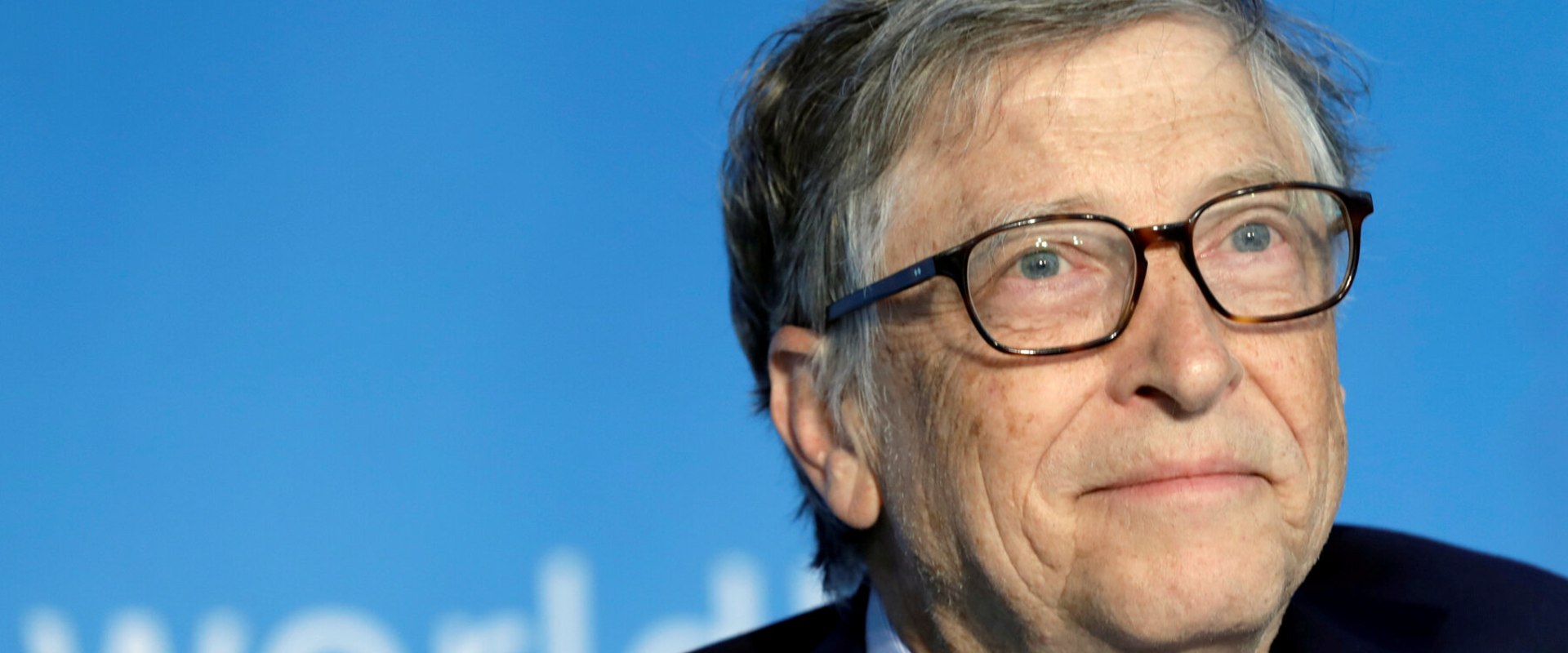
Bill Gates, the co-founder of Microsoft and a prominent figure in the tech industry, has made headlines for his critical stance on Bitcoin and cryptocurrencies. His views are particularly significant given his status as one of the wealthiest individuals in the world and a leading voice in discussions about technology and finance. Gates has expressed skepticism about Bitcoin, often highlighting its volatility and the potential risks it poses to investors, especially those who may not have substantial financial resources. This skepticism raises important questions about the future of cryptocurrencies and their role in the global economy. In various interviews, Gates has articulated his concerns regarding Bitcoin, emphasizing its lack of regulation and the environmental impact associated with its mining processes.
He has pointed out that Bitcoin transactions consume an enormous amount of electricity, which he believes is unsustainable. This perspective is particularly relevant in today's climate-conscious society, where many are advocating for greener alternatives in all sectors, including finance. Gates' apprehensions about Bitcoin extend beyond environmental issues; he also questions its intrinsic value and whether it can serve as a reliable form of currency. Moreover, Gates' relationship with Bitcoin is not merely one of criticism; he has also acknowledged having received Bitcoin as a gift in the past, which he later sold. This personal experience adds a layer of complexity to his views, as it illustrates that while he recognizes the allure of cryptocurrencies, he remains cautious about their long-term viability.
As discussions around Bitcoin loans and other financial products linked to cryptocurrencies gain traction, understanding Gates' perspective becomes increasingly important for investors looking to navigate this volatile market. As we delve deeper into Bill Gates' opinions on Bitcoin and cryptocurrency, it is essential to consider how his insights might influence both individual investors and broader market trends. His emphasis on responsible investing and sustainable practices could shape the future landscape of digital currencies, prompting a reevaluation of how these assets are perceived and utilized in financial transactions.
Bill Gates' Initial Reactions to Bitcoin
Bill Gates, the co-founder of Microsoft and a prominent figure in the tech industry, has had a complex relationship with Bitcoin since its inception. Initially, Gates expressed skepticism about the cryptocurrency, highlighting several concerns that have shaped his views over the years. One of Gates' earliest comments regarding Bitcoin came during a live chat on Clubhouse, where he revealed that he had received Bitcoin as a gift but sold it shortly thereafter. This action indicated his lack of confidence in the cryptocurrency's long-term viability.Gates has consistently emphasized that he prefers to invest in assets that have tangible value and productive capacity, which he believes Bitcoin lacks. In various interviews, Gates has articulated his apprehensions about the volatility of Bitcoin. He described its price fluctuations as "random," suggesting that they do not correlate with any intrinsic value. This perspective aligns with his broader skepticism towards cryptocurrencies, which he views as speculative investments rather than stable financial instruments. Moreover, Gates has raised significant concerns regarding the regulatory environment surrounding cryptocurrencies. He believes that the lack of oversight can lead to potential risks for investors, particularly those who may not have substantial financial resources.
In his view, individuals with limited means should be especially cautious about investing in such volatile assets. Another critical aspect of Gates' skepticism is the environmental impact associated with Bitcoin mining. He has pointed out that the energy consumption required for Bitcoin transactions is alarmingly high, often exceeding that of traditional banking systems. This concern is particularly relevant in light of his advocacy for sustainable practices and climate change mitigation. In summary, Bill Gates' initial reactions to Bitcoin were marked by skepticism and caution. His reluctance to invest stems from a combination of concerns about volatility, regulatory issues, and environmental sustainability.
As the cryptocurrency landscape continues to evolve, it remains to be seen whether Gates will adjust his stance or maintain his cautious approach towards digital currencies.
Concerns About Regulation and Security
Bill Gates has consistently voiced his concerns regarding the lack of regulation in the cryptocurrency market, particularly with Bitcoin. His apprehensions stem from the potential risks that unregulated environments pose to investors and the overall stability of financial systems. In a world where digital currencies are becoming increasingly popular, Gates emphasizes the importance of establishing a regulatory framework that can protect consumers and ensure market integrity. One of the primary issues Gates highlights is the vulnerability of investors in an unregulated market. Without oversight, individuals may fall prey to scams, fraud, and other malicious activities that can lead to significant financial losses.Gates has pointed out that many people, especially those with limited financial resources, may not fully understand the risks associated with investing in cryptocurrencies. This lack of understanding can result in poor investment decisions, which he believes is particularly concerning for those who cannot afford to lose their money. Moreover, Gates has raised alarms about the security issues inherent in cryptocurrency transactions. The decentralized nature of Bitcoin and other cryptocurrencies means that there is no central authority to turn to in case of theft or fraud. Unlike traditional banking systems, where consumers have certain protections and recourse options, cryptocurrency users often find themselves without support when things go wrong.
This lack of security can deter potential investors who might otherwise be interested in exploring digital currencies. In addition to investor protection, Gates has also expressed concerns about how the absence of regulation can lead to market volatility. The unpredictable nature of Bitcoin's price fluctuations can create an unstable environment for both investors and businesses that might consider adopting cryptocurrency as a payment method. Gates argues that without regulatory measures in place, the market could experience extreme swings that undermine confidence and hinder broader adoption. Furthermore, Gates has pointed out that regulatory frameworks could help legitimize cryptocurrencies and foster innovation within the industry. By establishing clear guidelines and standards, regulators can create an environment where legitimate businesses can thrive while protecting consumers from potential harm.
This balance is crucial for the long-term sustainability of cryptocurrencies like Bitcoin. In summary, Bill Gates' concerns about Bitcoin regulation and security issues reflect a broader apprehension about the future of cryptocurrencies. He advocates for a well-regulated environment that prioritizes consumer protection and market stability while allowing for innovation and growth within the digital currency space.
Environmental Impact of Bitcoin Mining
Bill Gates has been vocal about his concerns regarding the environmental impact of Bitcoin mining, a topic that has gained significant attention as the cryptocurrency market continues to grow. His apprehensions stem from the substantial energy consumption associated with Bitcoin transactions and mining processes, which he argues are not sustainable in the long run. In various interviews, Gates has pointed out that Bitcoin mining consumes more electricity per transaction than any other method currently known. This high energy demand raises questions about the carbon footprint of cryptocurrencies, especially in a world increasingly focused on combating climate change.Gates emphasizes that the environmental implications of Bitcoin cannot be overlooked, particularly when considering the urgent need for sustainable practices across all sectors. Gates has suggested that if cryptocurrency platforms were to adopt green energy practices , he might reconsider his stance on digital currencies. He believes that integrating renewable energy sources into the mining process could mitigate some of the environmental concerns associated with Bitcoin. However, as it stands, the majority of Bitcoin mining operations rely on fossil fuels, which contributes to greenhouse gas emissions and exacerbates climate change. Moreover, Gates has expressed skepticism about the overall utility of Bitcoin as a currency given its volatility and energy consumption. He argues that while digital currencies have potential benefits, they must be balanced with responsible energy use and sustainability.
The tech billionaire's views reflect a broader concern within the tech community regarding how emerging technologies can align with global sustainability goals. In summary, Bill Gates' perspective on Bitcoin is heavily influenced by its environmental impact. He advocates for a future where technology and sustainability go hand in hand, urging cryptocurrency developers to prioritize eco-friendly practices. As discussions around sustainability in cryptocurrency continue to evolve, Gates' insights serve as a critical reminder of the importance of considering environmental factors in technological advancements.
The Concept of a Bitcoin Loan: What It Means
A Bitcoin loan is a financial product that allows individuals to borrow funds using their Bitcoin holdings as collateral. This innovative approach to lending has emerged alongside the rise of cryptocurrencies, providing a unique alternative to traditional banking systems.In essence, when a borrower takes out a Bitcoin loan, they pledge a certain amount of Bitcoin to secure the loan amount. This means that if the borrower fails to repay the loan, the lender has the right to seize the collateral. One of the primary advantages of Bitcoin loans is their accessibility. Unlike conventional loans that often require extensive credit checks and documentation, cryptocurrency loans can be obtained quickly and with minimal requirements. This democratization of lending aligns with Bill Gates' vision of financial innovation, particularly in developing countries where traditional banking services may be limited. Moreover, Bitcoin loans can be beneficial for those looking to leverage their cryptocurrency investments without selling them.
For instance, if an individual believes in the long-term value of Bitcoin but needs cash for immediate expenses, they can take out a loan against their Bitcoin holdings. This allows them to maintain their investment while accessing liquidity. However, it is essential to consider the risks associated with Bitcoin loans. The volatile nature of cryptocurrency prices means that the value of the collateral can fluctuate significantly. If the price of Bitcoin drops sharply, borrowers may face margin calls, requiring them to either add more collateral or repay part of the loan immediately.
This aspect highlights Gates' concerns regarding the unpredictability and potential risks associated with cryptocurrencies. In addition to these risks, Gates has expressed skepticism about the overall regulatory environment surrounding cryptocurrencies and loans. He has emphasized the need for clear regulations to protect consumers and ensure fair practices within this emerging market. As more individuals turn to cryptocurrency loans, it becomes increasingly important for regulatory bodies to establish guidelines that safeguard both lenders and borrowers. In conclusion, while Bitcoin loans offer exciting opportunities for financial innovation and accessibility, they also come with inherent risks that must be carefully managed. Bill Gates' perspective on these developments serves as a reminder of the importance of balancing innovation with responsibility in the rapidly evolving world of cryptocurrency.
Gates' Evolving Views on Cryptocurrency
Bill Gates, the co-founder of Microsoft and a prominent figure in the tech industry, has had a complex and evolving relationship with cryptocurrencies, particularly Bitcoin.Initially, Gates expressed skepticism about Bitcoin and other digital currencies, primarily due to concerns regarding their volatility and lack of regulatory oversight. His early comments highlighted a belief that cryptocurrencies could be a risky investment, especially for individuals without substantial financial resources. Over time, however, Gates' views have shown signs of nuance. In various interviews, he has acknowledged the potential benefits of blockchain technology and the role it could play in enhancing financial systems, particularly in developing countries. This shift indicates that while he remains cautious about investing in Bitcoin directly, he recognizes the underlying technology's promise for improving transaction efficiency and reducing costs. One significant factor influencing Gates' perspective is the environmental impact associated with Bitcoin mining.
He has been vocal about the excessive energy consumption required for Bitcoin transactions, stating that it uses more electricity per transaction than any other method known today. This concern aligns with his broader advocacy for sustainable practices and combating climate change, as outlined in his book, How to Avoid a Climate Disaster. Moreover, Gates has pointed out that the speculative nature of Bitcoin trading resembles a bubble that could eventually burst. His cautionary stance serves as a warning to potential investors who may be lured by the prospect of quick profits without fully understanding the risks involved. Looking ahead, Gates has suggested that his opinion on cryptocurrencies could evolve further if there are significant advancements in how they are regulated and if they adopt more environmentally friendly practices. He believes that for cryptocurrencies to gain wider acceptance and legitimacy, they must address these critical issues. In summary, Bill Gates' views on Bitcoin and cryptocurrency have transitioned from outright skepticism to a more measured approach that acknowledges both the potential benefits and significant drawbacks.
As the cryptocurrency landscape continues to develop, it will be interesting to see how Gates' opinions adapt in response to new innovations and regulatory changes.
Comparing Bill Gates with Other Tech Billionaires
When it comes to the world of cryptocurrency, particularly Bitcoin, the opinions of tech billionaires can vary significantly. Bill Gates, co-founder of Microsoft, has been vocal about his skepticism towards Bitcoin and cryptocurrencies in general. In contrast, other tech moguls, such as Elon Musk, have embraced these digital currencies with enthusiasm, leading to a fascinating comparison of their views.Gates vs. Musk on Bitcoin
Bill Gates has expressed concerns about Bitcoin's volatility and its environmental impact.
He has pointed out that the energy consumption associated with Bitcoin mining is alarmingly high, stating that it uses more electricity per transaction than any other method known to mankind. Gates has also warned potential investors about the risks involved, particularly for those who may not have the financial cushion that someone like Elon Musk possesses. On the other hand, Elon Musk, CEO of Tesla and SpaceX, has been a prominent advocate for Bitcoin and other cryptocurrencies. His tweets and public statements have often led to significant price fluctuations in the crypto market. Musk's approach is characterized by a more optimistic view of Bitcoin's potential as a transformative financial technology.
He has even invested in Bitcoin himself and has suggested that it could play a crucial role in the future of finance.
Tech Billionaires' Cryptocurrency Views
- Mark Zuckerberg: The Facebook founder has shown interest in digital currencies through initiatives like Libra (now Diem). However, he has also faced regulatory scrutiny and criticism regarding privacy concerns.
- Jack Dorsey: The co-founder of Twitter is a strong proponent of Bitcoin, viewing it as a means to empower individuals financially. Dorsey has invested heavily in Bitcoin and advocates for its adoption as a global currency.
- Sundar Pichai: The CEO of Google has taken a more cautious approach, acknowledging the potential of blockchain technology while emphasizing the need for regulation and consumer protection.
Advice from Bill Gates for Potential Investors
Bill Gates, the co-founder of Microsoft and a prominent figure in the tech industry, has consistently expressed his skepticism regarding investments in cryptocurrencies, particularly Bitcoin.His insights serve as a cautionary tale for potential investors who may be considering diving into the volatile world of digital currencies. One of Gates' primary pieces of advice is to approach cryptocurrency investments with a high degree of caution. He has openly stated that he does not invest in Bitcoin or other cryptocurrencies because he prefers to allocate his resources towards assets that have tangible value and productive capacity. This perspective is rooted in his belief that cryptocurrencies lack intrinsic value, making them a risky investment choice. In various interviews, Gates has highlighted several key concerns that potential investors should consider:
- Lack of Regulation: Gates has pointed out the absence of regulatory frameworks governing cryptocurrencies. This lack of oversight can lead to significant risks for investors, including fraud and market manipulation.
- Environmental Impact: Gates has been vocal about the environmental consequences associated with Bitcoin mining.
He argues that the energy consumption required for Bitcoin transactions is unsustainable and detrimental to the planet, which raises ethical questions about investing in such assets.
- Market Volatility: The unpredictable nature of cryptocurrency prices is another red flag for Gates. He has described Bitcoin's price fluctuations as random and likened it to a speculative bubble that could burst at any moment. This volatility can lead to substantial financial losses for investors who are not well-prepared.
In his view, it is crucial to prioritize investments that contribute positively to society and have a clear path toward sustainable growth. Ultimately, while Gates acknowledges the potential of blockchain technology and its applications, he remains cautious about investing in cryptocurrencies like Bitcoin. His advice serves as a reminder for potential investors to weigh their options carefully and consider the broader implications of their financial decisions.
Conclusion: The Future of Bitcoin Through Bill Gates' Lens
As we reflect on Bill Gates' perspective regarding Bitcoin and the broader cryptocurrency landscape, it becomes evident that his views are shaped by a combination of skepticism and cautious optimism. Gates has consistently emphasized the importance of regulation in the cryptocurrency space, highlighting that the lack of oversight could lead to significant risks for investors, particularly those who may not have the financial resilience to absorb potential losses. One of Gates' primary concerns is the environmental impact associated with Bitcoin mining. He has pointed out that the energy consumption required for Bitcoin transactions is alarmingly high, raising questions about sustainability in an era where climate change is a pressing global issue.This concern aligns with his advocacy for green energy solutions, suggesting that he might be more open to cryptocurrencies that prioritize eco-friendly practices. Moreover, Gates has expressed doubts about the intrinsic value of Bitcoin, describing its price fluctuations as largely random. This skepticism is particularly relevant for potential investors who may be lured by the promise of high returns without fully understanding the underlying volatility. Gates' warning against investing in cryptocurrencies resonates strongly, especially for individuals with limited financial resources. In summary, while Bill Gates does not dismiss the potential of digital currencies outright, he advocates for a more measured approach. His emphasis on regulation, environmental sustainability, and intrinsic value serves as a guiding framework for evaluating the future of Bitcoin and other cryptocurrencies.
As the industry evolves, it will be crucial for stakeholders to address these concerns to foster a more secure and responsible cryptocurrency ecosystem. Ultimately, Gates' insights may serve as a bellwether for how mainstream investors and institutions approach Bitcoin in the coming years. If the cryptocurrency sector can adapt to meet regulatory standards and embrace sustainable practices, it may pave the way for broader acceptance and integration into our financial systems.